
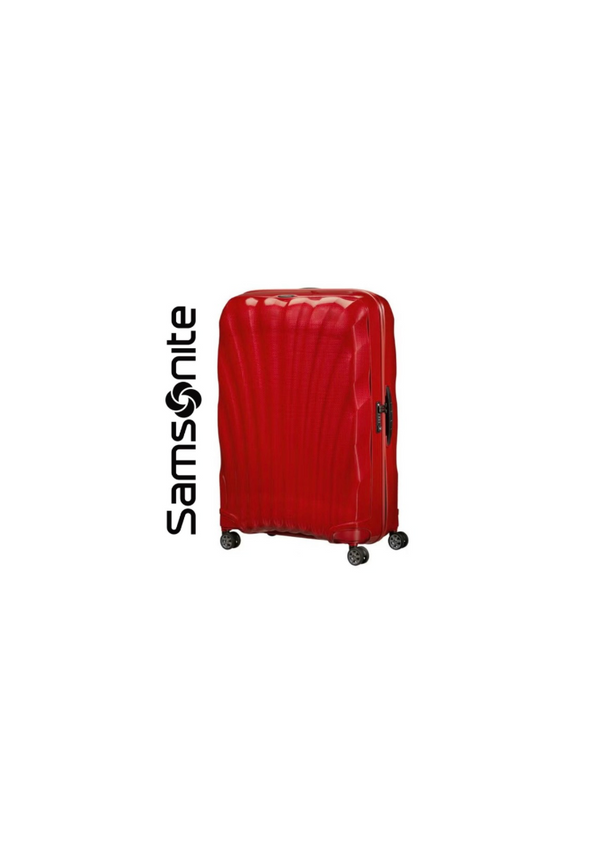

A good suitcase isn't cheap. Whether you paid S$200 or S$2,000, how you look after it has a lot to do with whether it lasts three years or thirteen. Most of that comes down to a few minutes of care after each trip.
This guide covers what we'd tell you across the counter: cleaning, zippers, handles, wheels and — the one most people miss in Singapore — storage.
Cleaning: hard-shell vs soft-shell
Your case picks up dirt, scuffs and grime on every trip. Regular cleaning isn't only about looks; grit left in place wears down the finish, the zips and the wheels.
Hard-shell (polycarbonate, ABS, aluminium)
- Wipe it down after each trip with a damp microfibre cloth, before the dirt has time to set.
- For scuffs and marks, a damp microfibre cloth with a drop of mild soap is the safest start. Skip abrasive cleaners and scouring pads — they dull the finish. Coatings and printed finishes vary a lot between cases, so if a mark won't shift, don't reach for something stronger. Bring it in and we'll take a look.
- For aluminium cases, use a mild soap solution or an aluminium cleaner, then dry fully to avoid water spots.
- Avoid bleach, acetone and ammonia-based cleaners. They can strip the coating and discolour the shell.
Soft-shell (nylon, polyester, canvas)
- Brush off loose dirt with a soft-bristle brush before any wet cleaning.
- Spot-clean stains with warm water and a mild detergent. Blot rather than scrub — scrubbing can damage the weave.
- For a deeper clean, sponge the whole exterior with a weak mix of gentle detergent and warm water, then wipe with a clean damp cloth.
- Let it dry completely before you put it away. In Singapore's humidity, damp fabric in a closed cupboard is how mould starts.
- Use a fabric protector spray once or twice a year to help it shed water and stains.
The inside
Vacuum the lining to clear dust and crumbs, wipe it with a damp cloth and leave the case open to dry. A sachet of baking soda left inside overnight takes care of most smells.
Zipper care
After wheels, zippers are among the most common repairs we see. Most zipper failures start with dirt or force, and both are easy to avoid.
Routine care
- Keep the teeth clean. Sand and grit are the main culprits. After a beach trip, run an old toothbrush along the teeth.
- Lubricate only if it needs it. If the zipper starts feeling stiff, clean the teeth first. A suitable zipper lubricant may help, but use it sparingly and avoid products that can stain the fabric.
- Don't force a stuck zip. If it catches on fabric or resists, stop. Forcing it bends the teeth or cracks the slider. Ease the fabric free and try again.
- Watch for splitting. If the zip closes but the teeth come apart behind the slider, the slider is worn. Replacing a slider is usually a quick, low-cost job.
When the zip needs replacing
Missing teeth, fraying tape or a slider that won't grip mean the zip itself needs replacing. That isn't a home job — the new zip has to be stitched into the lining and shell. It usually costs far less than a new case. See current zipper prices and turnaround on our repair services page.
Telescopic handle care
The pull handle is a set of nested tubes, springs and a locking button. It takes more strain than most people realise.
- Push it all the way down until it clicks. Leaving it half-extended strains the lock.
- Don't lean on it. The handle is built to pull the case, not hold your weight. Leaning bends the inner tubes over time.
- Wipe the tubes. With the handle fully out, wipe the exposed tubes with a dry cloth. Grit inside the housing is what causes sticking and grinding.
- Lubricate now and then. A light silicone spray along the tubes helps them glide. Wipe off the excess so it doesn't collect dust.
- If it sticks or wobbles, stop forcing it. A handle caught early is usually a simpler repair than one that has jammed completely.
Wheel care
Wheels take more punishment than any other part of the case. A minute after each trip goes a long way.
- Clear the axles. Check each wheel for hair, thread and small stones. Tweezers work well.
- Spin-test each wheel. Give it a flick. It should turn freely and quietly. Grinding, wobble or resistance means the bearing is wearing.
- Lubricate the bearings with a drop of silicone lubricant every three or four trips.
- Check for flat spots. A case stored with weight on its wheels can develop them. Spin the wheels before your next trip.
- Replace a worn wheel early. One bad wheel puts extra load on the other three, and a wheel that's rough now is more likely to fail mid-trip. Our wheel repair guide covers what to check.
Storing your case in Singapore
Between trips is where a lot of suitcases quietly deteriorate. Singapore's humidity makes storage matter more than it would in a drier climate.
- Clean and dry it fully first. Moisture left inside breeds mould. Leave the case open for a day after cleaning.
- Store it upright. Standing it on its wheels (or base) avoids warping from stacked weight.
- Add silica gel. Two or three sachets inside absorb damp. Swap them every few months.
- Keep the handle down. Store with the telescopic handle fully retracted.
- Skip the plastic wrap. Plastic traps moisture. A breathable dust cover — or an old cotton pillowcase — is better.
- Keep it out of direct sun. UV fades colour and weakens both hard and soft shells over time.
- Stuff it lightly. Tissue paper or soft clothing inside helps it hold its shape and keeps the lining from creasing.
Service it or replace it?
Worth repairing when
- Wheels are worn, noisy or stiff, but the shell and frame are sound
- The telescopic handle sticks, wobbles or won't lock
- Zips are sluggish or catching, or a slider needs replacing
- Side or top carry handles are loose or torn
- A TSA lock has jammed or the combination no longer works
- There are small cracks or dents that don't affect the structure
Worth thinking about replacing when
- The frame is bent beyond straightening
- The shell has large structural cracks in several places
- The lining is shredded, peeling or mouldy beyond cleaning
- The repair would cost more than about 60% of a comparable new case
For a well-made case, most of its life is spent needing nothing more than the odd part — a wheel here, a zip there. Those small repairs are what keep it going. If we think a repair isn't worth it, we'll tell you.
What to look for in a case that lasts
We repair every brand, so we see how cases age. A few things separate the ones that come back for a single wheel after years of use from the ones that come back for everything:
- Replaceable parts. Wheels, handles and locks that are screwed on rather than riveted or moulded in are far easier and cheaper to repair.
- A flexible shell. Polycarbonate flexes under impact and tends to dent or scuff rather than crack. Cheaper ABS is more likely to split.
- Good zips. A heavier, well-finished zip and slider hold up noticeably better than light, thin ones.
- Parts availability. Established brands such as Samsonite and Echolac, and bag makers such as Crumpler, are easier to source parts for years later.
When a wheel or zip on one of our own Lumière cases does wear out, bring it back to the bench.
Buying well and caring for it usually works out cheaper per trip. A S$400 case that lasts twelve years costs less per journey than a S$100 case replaced every two.
Bring it in for a look
If you travel often, it's worth having someone check the case now and then. Catching a worn wheel or a tired slider early is simpler than fixing it after it fails at the airport.
Walk in to any of our workshops and we'll look over the wheels, handle, zips, locks and shell, and tell you what needs attention now and what can wait. The quote is free — don't like the price? Walk out with the same bag, no charge. Find your nearest workshop and today's hours on the workshops page.